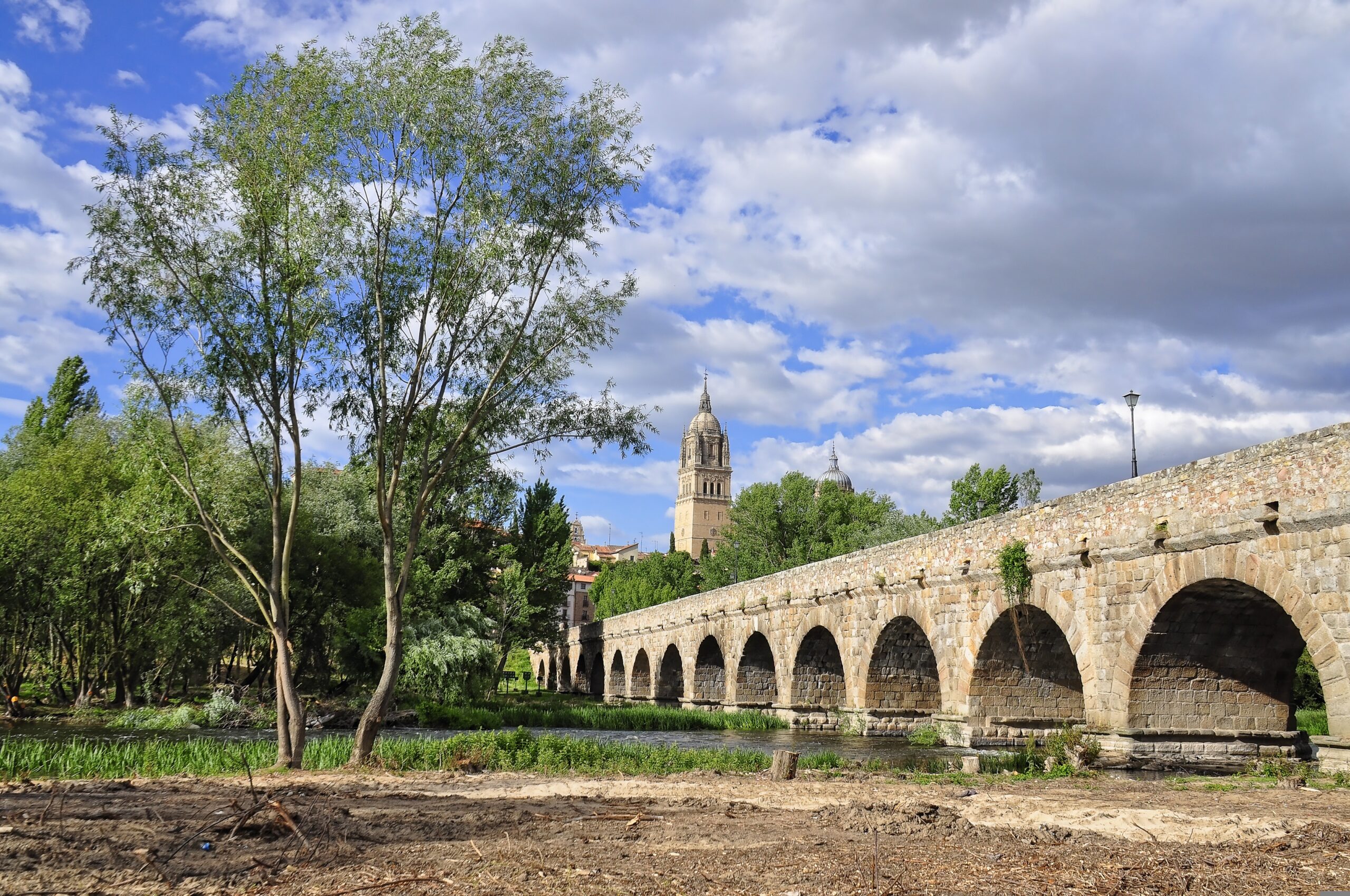
- SALAMANCA
Salamanca is located on the southwestern edge of the Duero plateau, in the heart of Spain. It was declared a UNESCO World Heritage Site in 1988. In 2025, the city had a population of 146,110 inhabitants. If its immediate metropolitan area is taken into account, the number of permanent residents rises to 211,961, not including the approximately 50,000 university students from all over the world who are present at any given time.
Salamanca: Its Celtic Connections.
REMOTE. In Roman times, Salmantica, in the province of Lusitania, was inhabited by the Vettones, one of the ethnic groups of the part of Hispania that was clearly Indo-European.
It is very likely that a Celtic language, closely related to the Celtiberian of the Ebro valley, was spoken in their territory. However, the only direct evidence consists of proper names recorded in Greek and Latin literary texts, as well as in Latin inscriptions. Names of clear Celtic origin occur in the region, such as Mirobriga or (B)letisama (modern Ledesma). No indigenous inscriptions have so far been discovered within the territory of the Vettones, but there are examples of Latin inscriptions containing native theonyms with indigenous case endings. Not far from this area, to the south and west, Lusitanian texts have been found, representing a complex case within the Indo-European languages of pre-Roman Hispania.
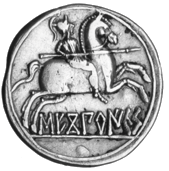
The city of Salamanca originated as a hillfort dating back at least to the 7th century BCE (archaeological work is currently ongoing at the main sites). It is situated at an important river crossing on a route connecting the southern and northern parts of the Iberian Peninsula. Archaeological remains attest to strong interaction with the Tartessian civilisation of the southwest. Closer to the Roman period, clear remains of Celtiberian material culture have been found, including pottery and coins.
MODERN. The Colegio Mayor de Santiago, more commonly known as the Colegio del Arzobispo or Colegio Mayor de Fonseca, one of the four historical Colegios Mayores of Salamanca, was founded in 1519 by Alonso de Fonseca, Archbishop of Santiago de Compostela, so that Galician students could have their own college at the University.
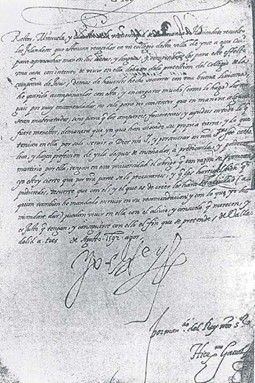
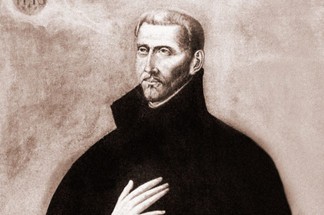
Later, a separate institution—popularly known as the Colegio de los Irlandeses (its official name being the Real Colegio de San Patricio de Nobles Irlandeses)—was founded in 1592, during the reign of Philip II (see here the letter from the king to the University of Salamanca addressing this matter), by the Jesuit Thomas White of Clonmel, Tipperary. At that time, Irish Catholics were unable to pursue university studies in the British Isles, and Salamanca became one of the most important centres in continental Europe where they could continue their education.
Between 1594 and 1644 alone, the college accommodated 370 Irish students. Among them, it appears, was one who would eventually become Primate of All Ireland. The institution also produced four archbishops, five bishops, nine provincials of religious orders, thirty martyrs, 120 ordained priests, twelve distinguished writers, and forty Doctors of Divinity.
In 1767, when the Jesuits were expelled from Spain, the Irish community was dispossessed of the college, which in 1775 was acquired by the military college of San Juan. The building was later destroyed by French troops around 1811 to construct defensive works for Salamanca during the War of Independence.
When the Irish returned to Salamanca in 1838, they found their former college destroyed during the war. From then on, they were allowed to use the old Colegio de Fonseca, which locally became known as the Colegio de los Irlandeses because of the presence of the Irish community there. The institution remained active until 1951.
The historical archive of the college, comprising more than 50,000 documents, was transferred to St Patrick’s College in Maynooth. With the rhetoric characteristic of the time, Franco emphasised Spain’s commitment that if Ireland were ever again in need of help or refuge, Spain would respond.